Walo Tourisme

National parks & sites

Visit Mauritania’s most remarkable natural and geological sites.

Banc d’Arguin National Park
Banc d’Arguin National Park 2
Banc d’Arguin National Park 3

Banc d’Arguin National Park

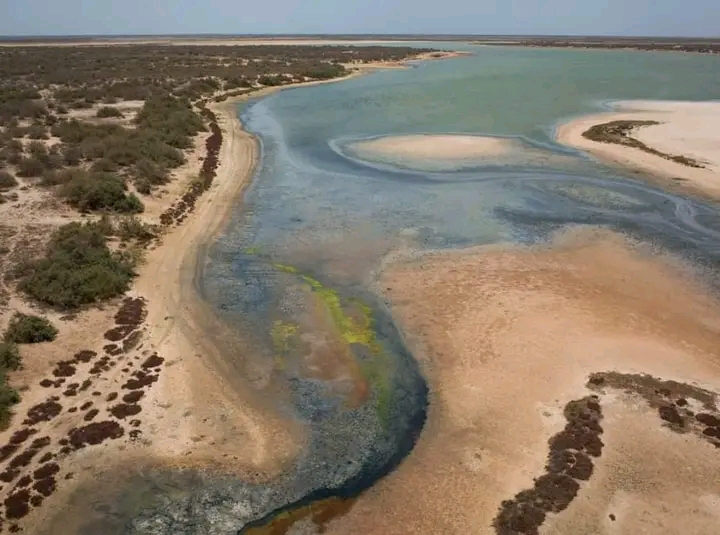
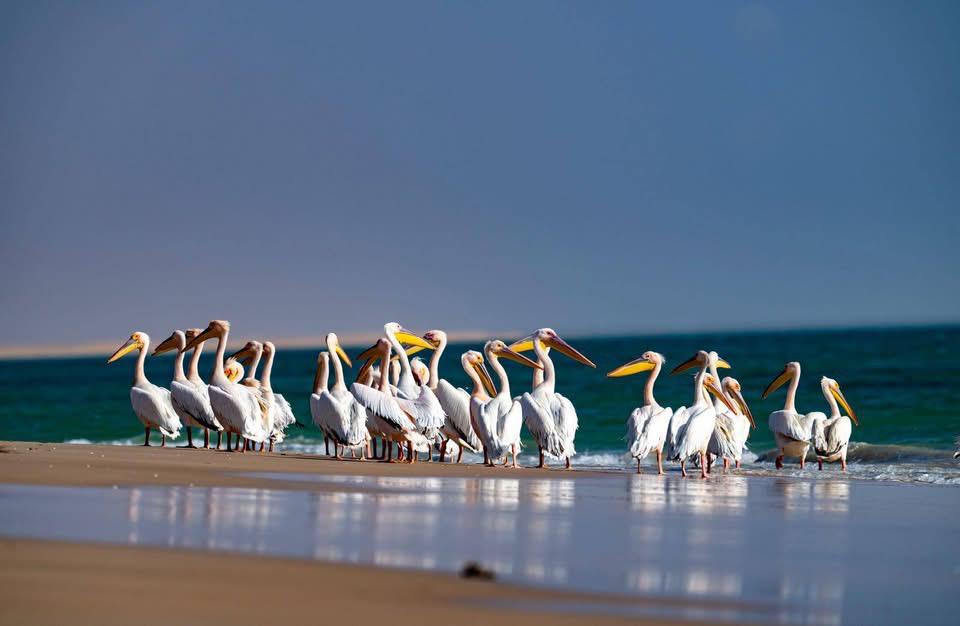
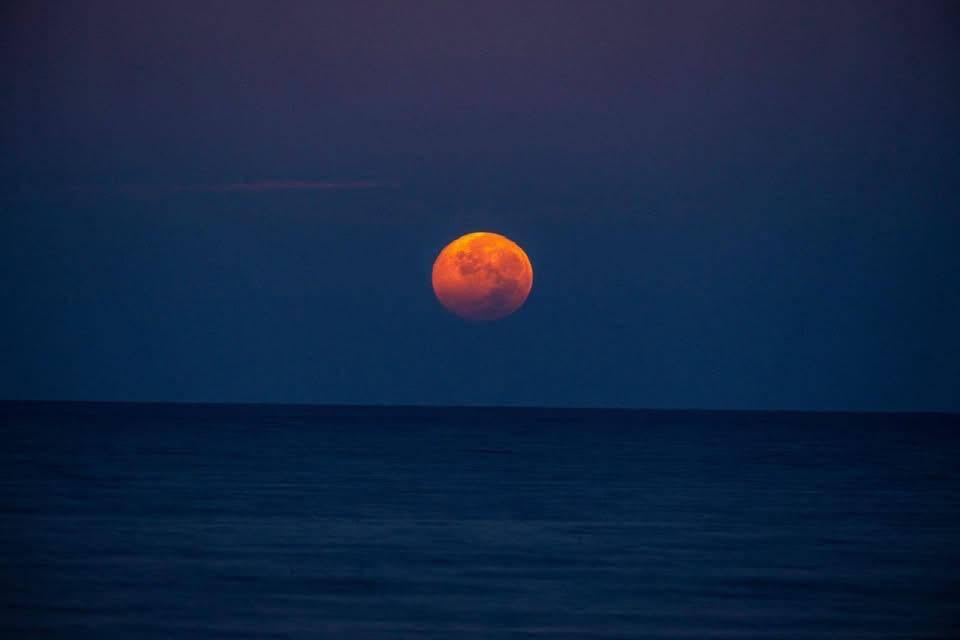
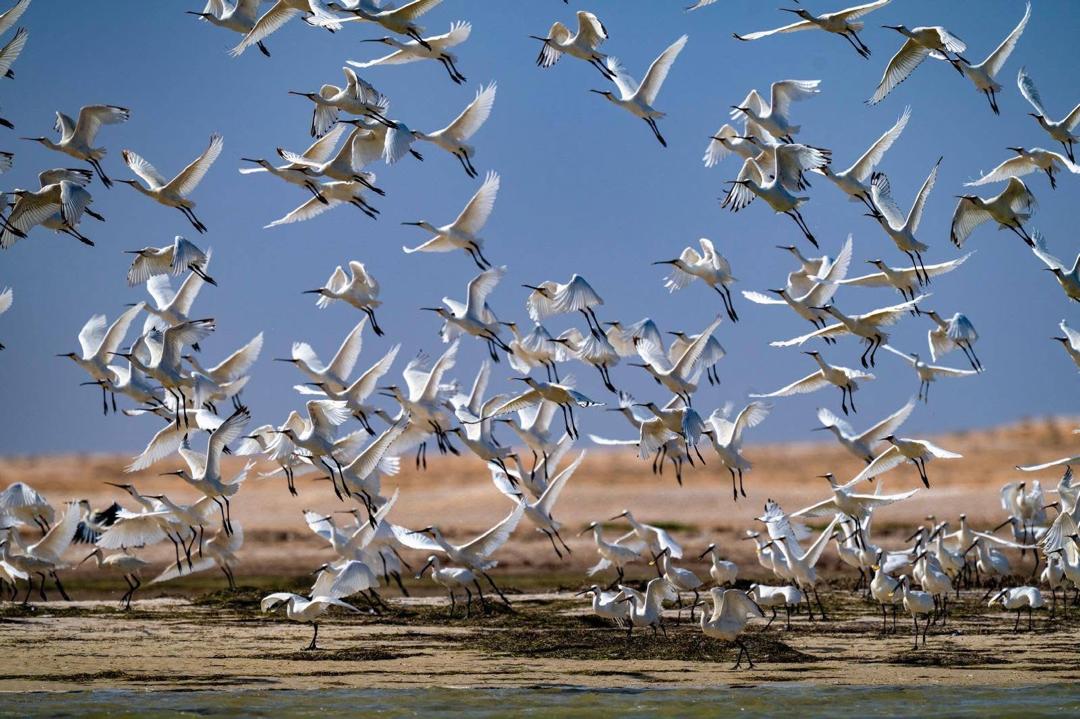
Created in 1976 and UNESCO-listed since 1989, the park spans 12,000 km² between the Sahara and the Atlantic. It is one of the world’s most important migratory bird sites. Home to the Imraguen — about 1,500 traditional fishermen known for their ancient techniques and sustainable way of life. Visitors can observe thousands of birds, take pirogue trips, bivouac in the desert and discover traditional fishing.
Diawling National Park
Diawling National Park 2
Diawling National Park 3

Diawling National Park

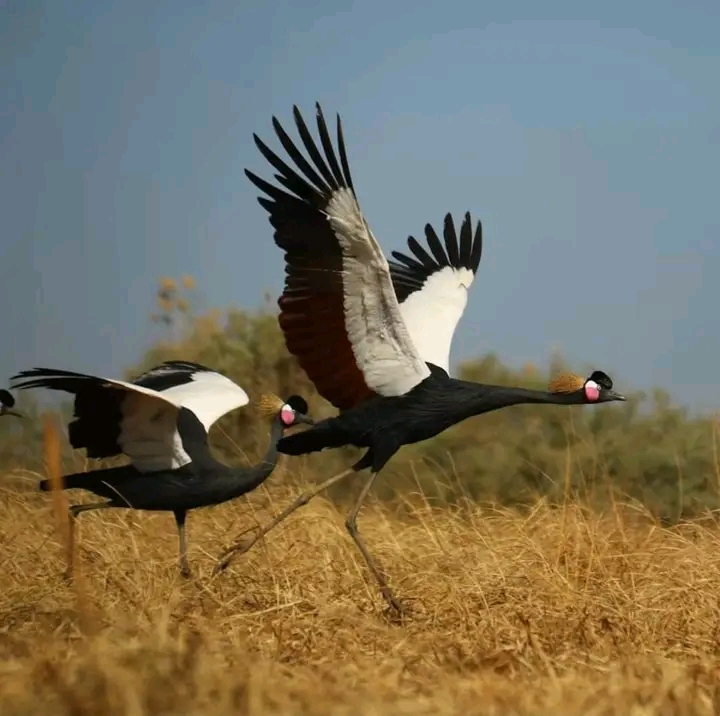
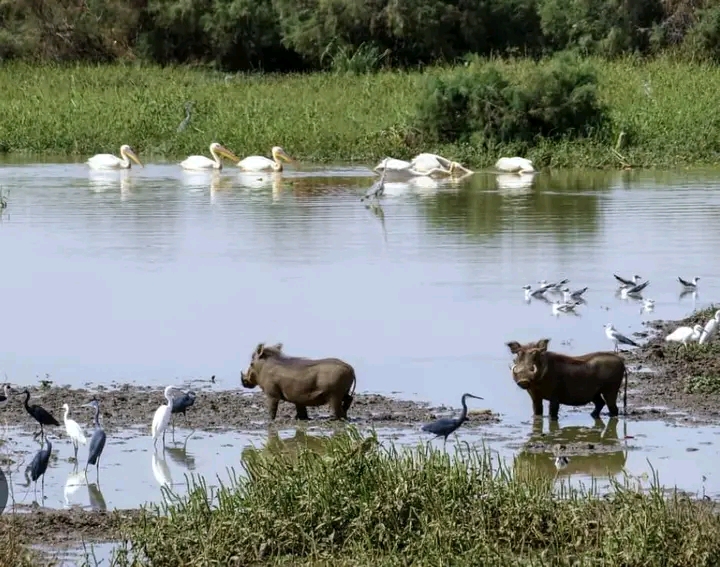
Established in 1991 in southwestern Mauritania near the Senegal River, Diawling protects wetlands: marshes, lagoons, floodplains and fertile plains. Rich in migratory birds, fish and aquatic species. The park offers lodging, birdwatching, nature walks and exploration of the river landscapes.

The Richat Structure — “Eye of Africa”
The Richat Structure — “Eye of Africa” 2
The Richat Structure — “Eye of Africa” 3

The Richat Structure — “Eye of Africa”

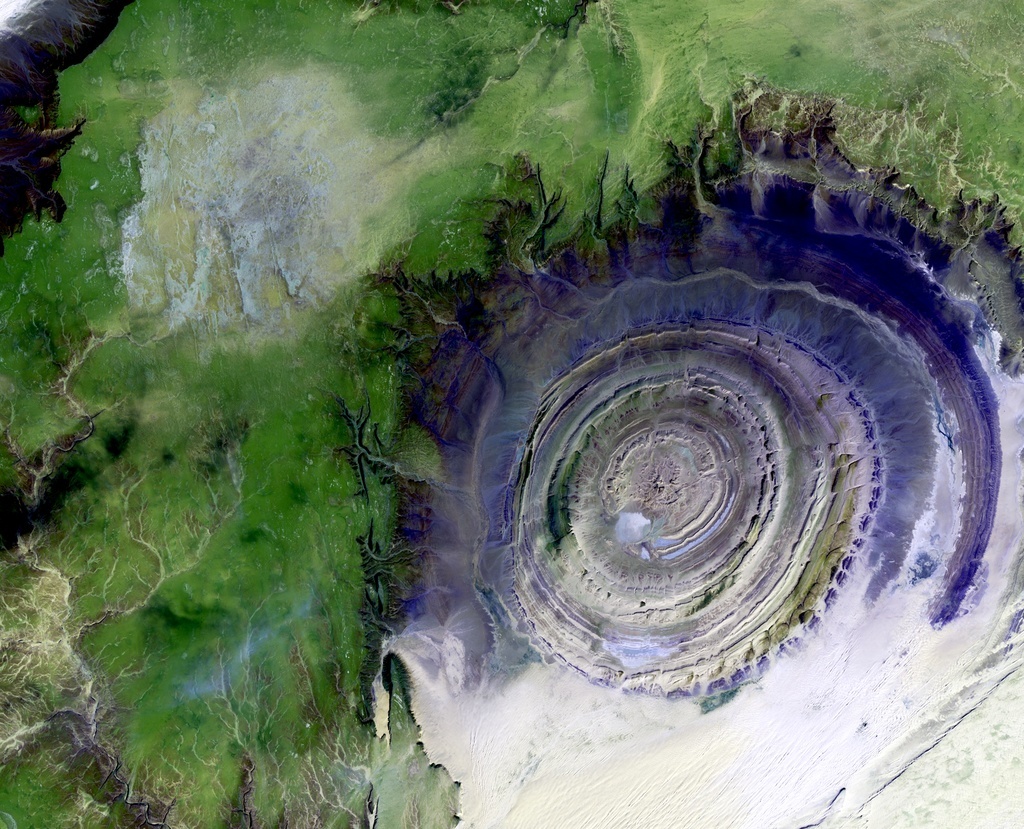
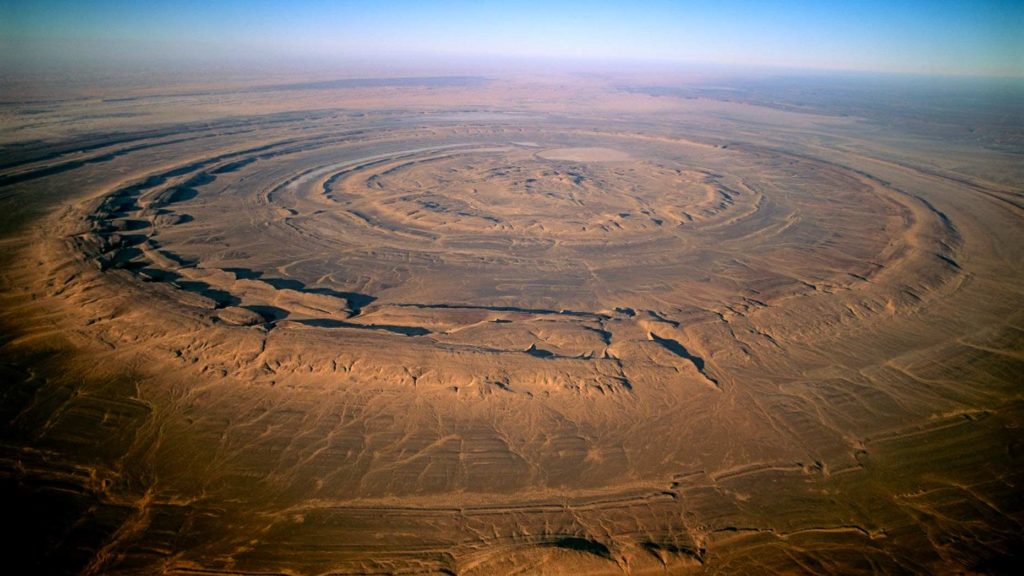
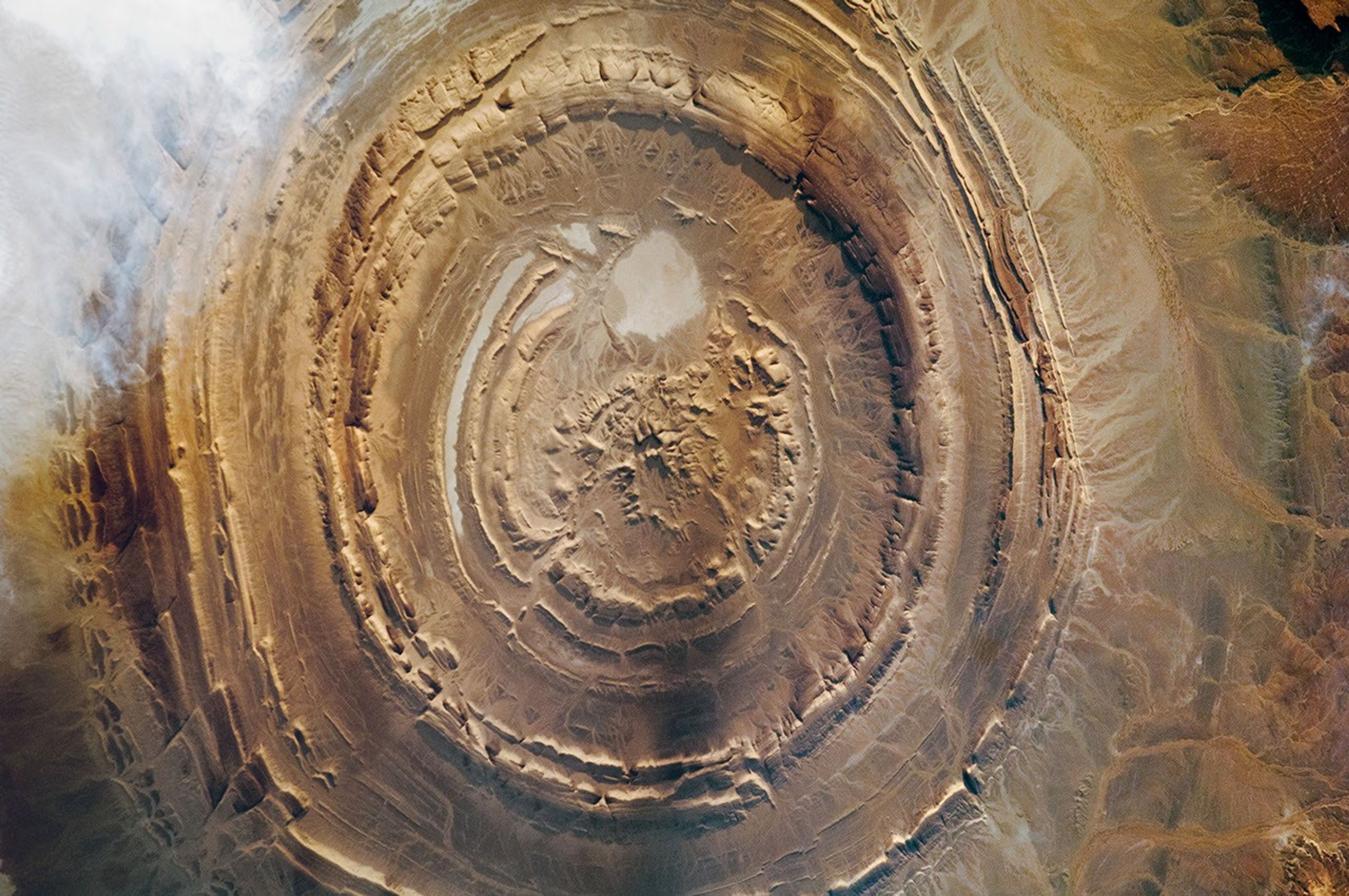
A circular geological formation 50 km across in the Mauritanian Sahara near Ouadane. Identified as a 100-million-year-old volcanic dome eroded into concentric rings visible from space. First observed in 1916, made famous in 1965 by the Gemini 4 mission. Accessible by 4x4 — stunning rocky landscapes.

Matmata Guelta
Matmata Guelta 2
Matmata Guelta 3

Matmata Guelta

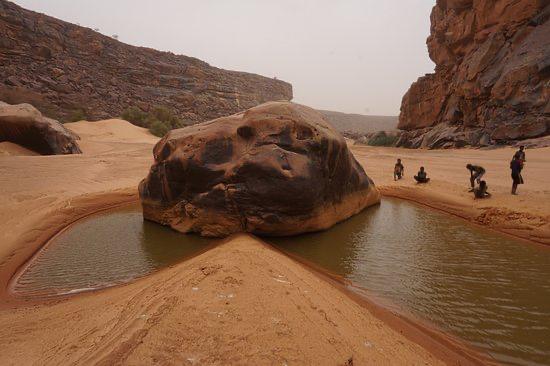
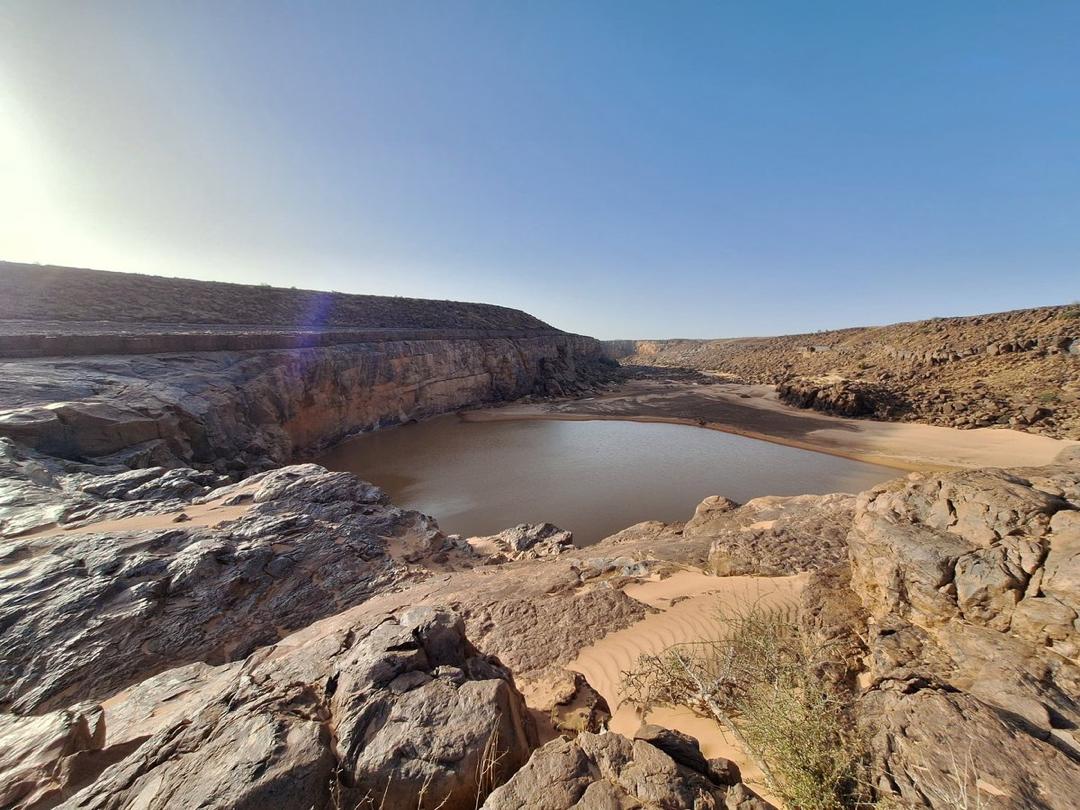
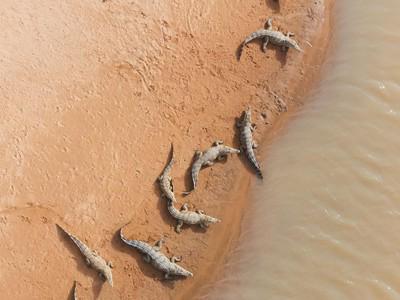
A sunken pool in the Tagant plateau, 25 km from Nbeika near the ancient city of Rachid. Surrounded by tall black rocks and a dense palm grove. Home to the Matmata crocodiles, the last Saharan crocodiles in the wild in Mauritania — Nile crocodiles, but smaller.

The Ben Amira Monolith
The Ben Amira Monolith 2
The Ben Amira Monolith 3
The Ben Amira Monolith 4

The Ben Amira Monolith

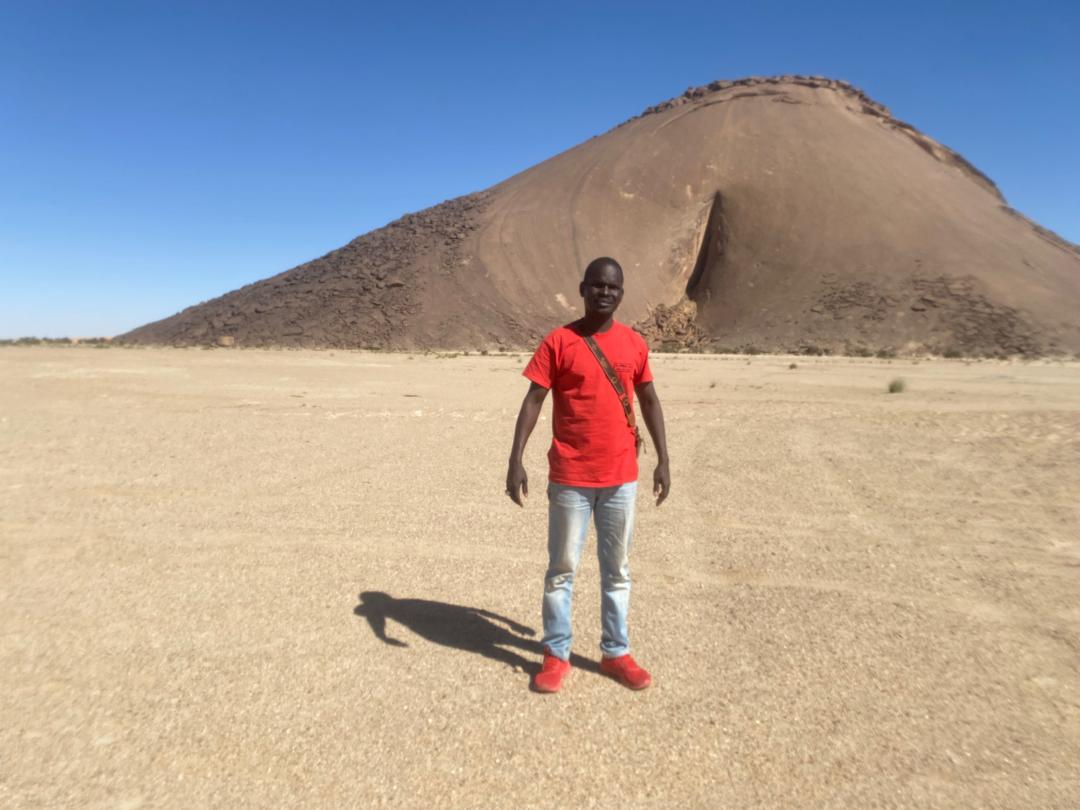
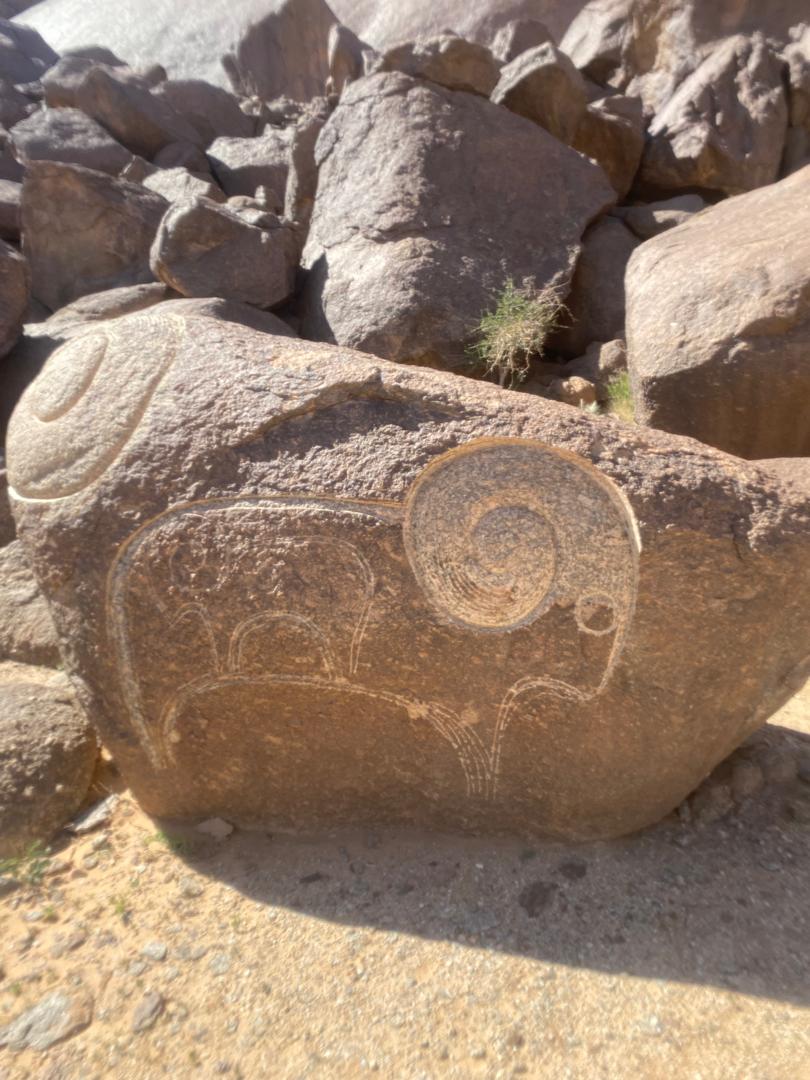
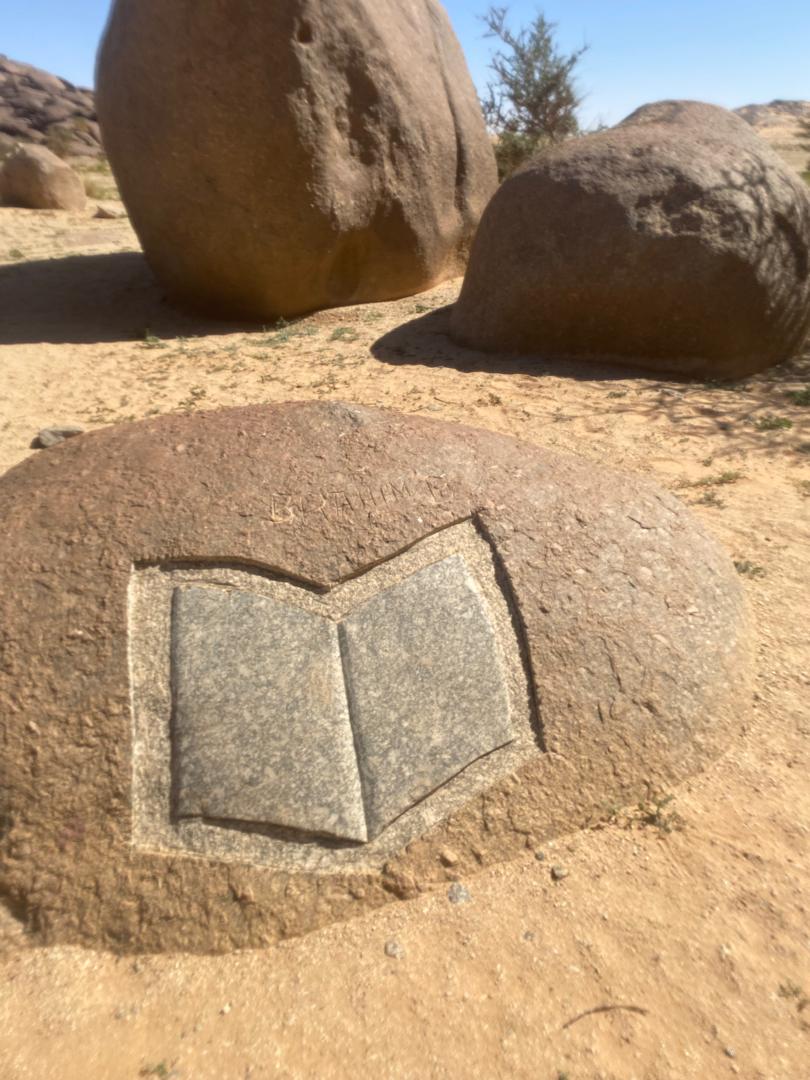
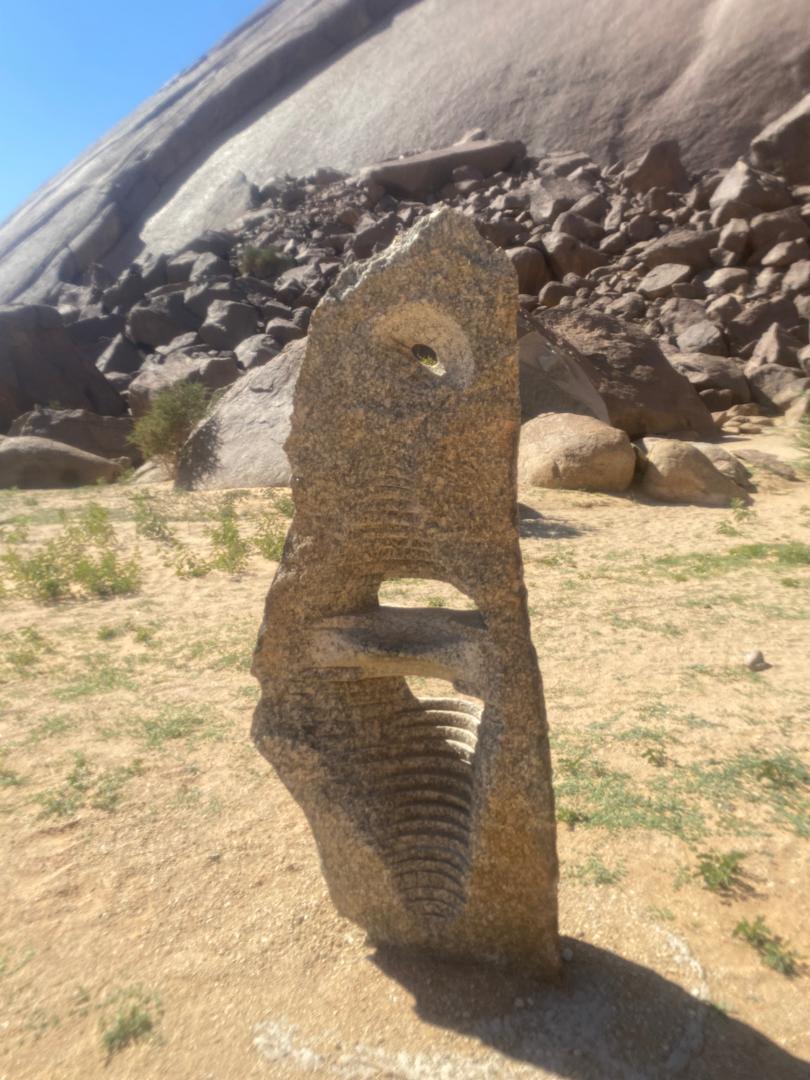
In northern Mauritania near the Western Sahara border — the largest monolith in Africa and third largest in the world, rising about 630 m above the desert. In 1999, international artists carved peace motifs into its base, turning the site into an open-air art gallery. Five kilometres away stands “Ben Aïcha”, a smaller monolith; legend says they were a couple of giants separated long ago.

The iron-ore train
The iron-ore train 2
The iron-ore train 3

The iron-ore train

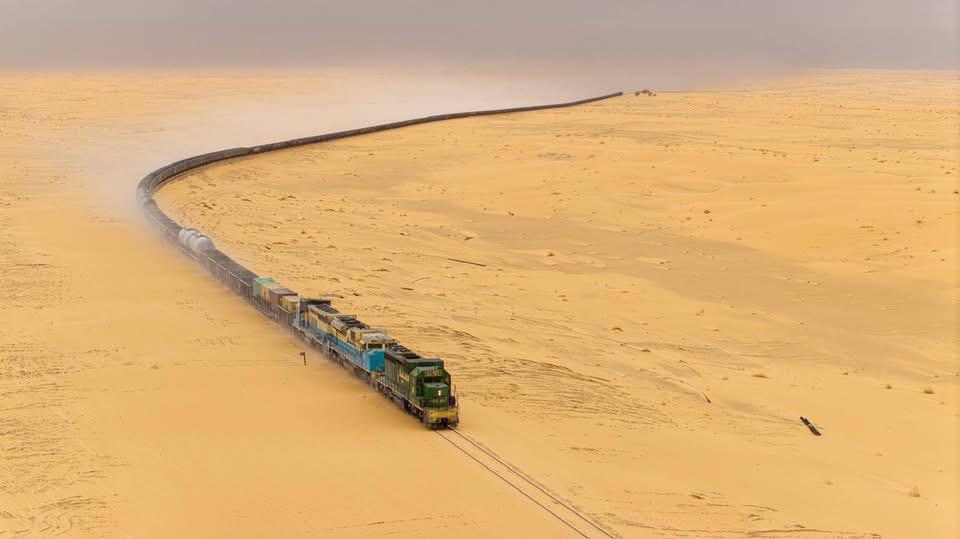
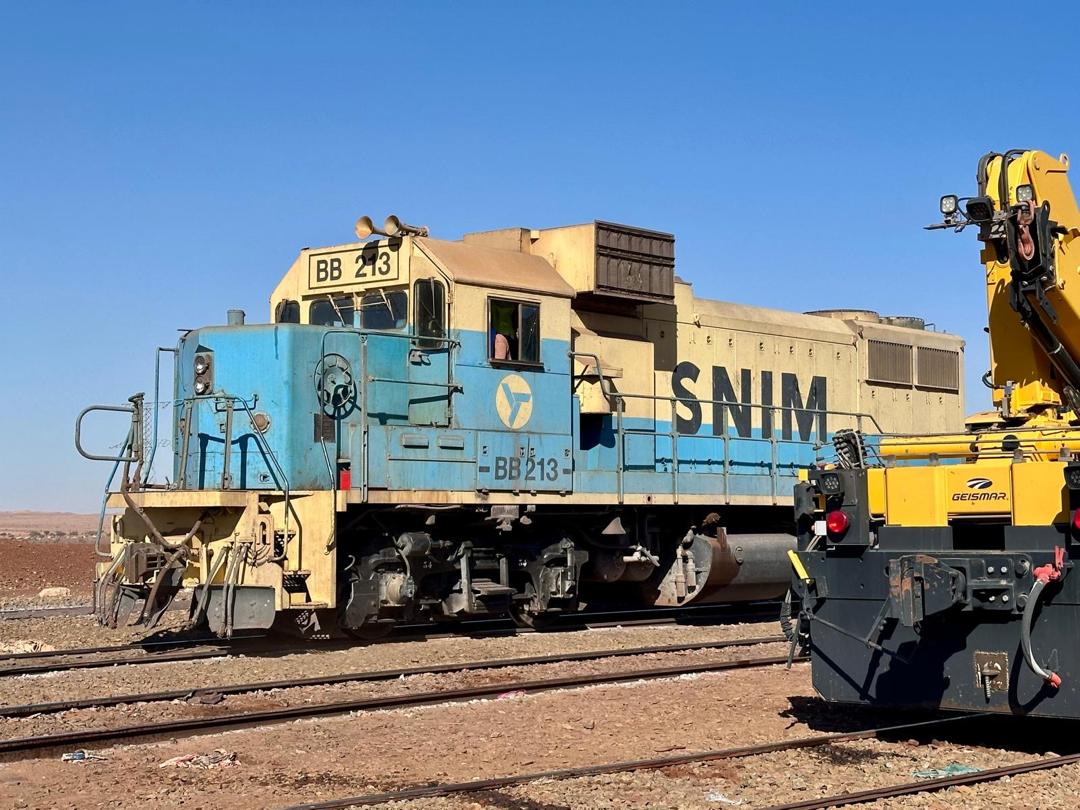
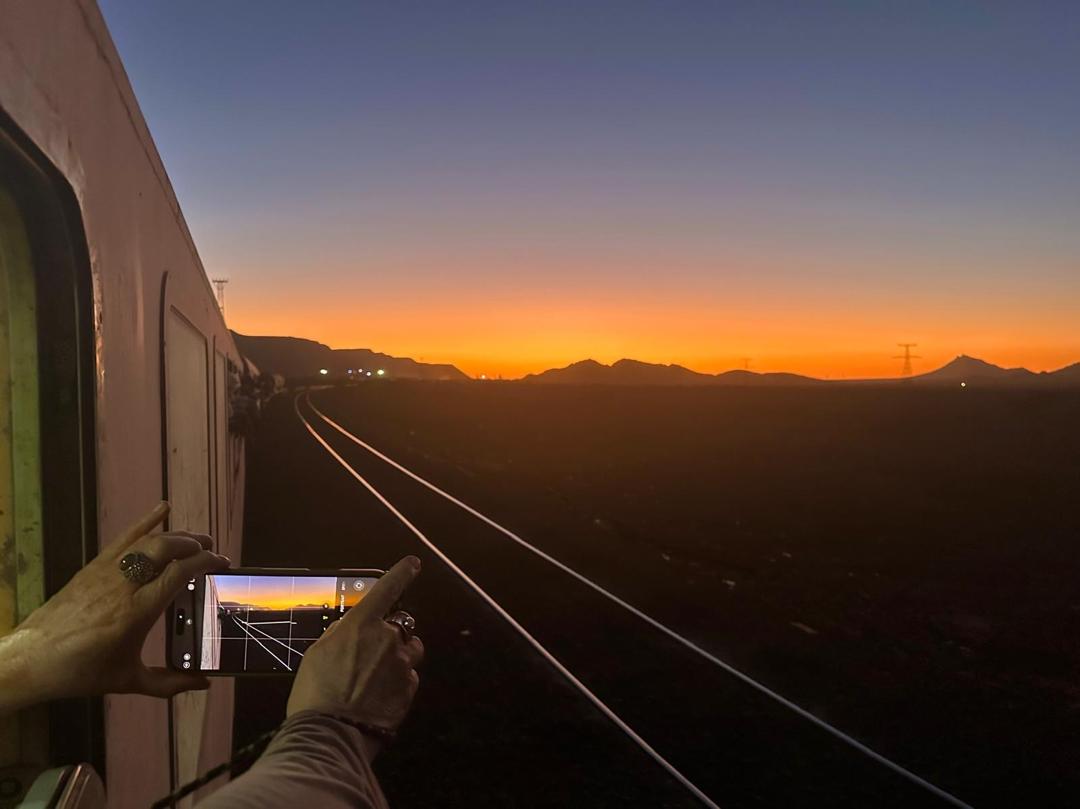
One of the longest trains in the world — 2 to 3 km, over 200 wagons — running from the Zouérat iron mines to the port of Nouadhibou over 700 km along the Atlantic coast.